
Review: Trails in the Sky 2nd Chapter
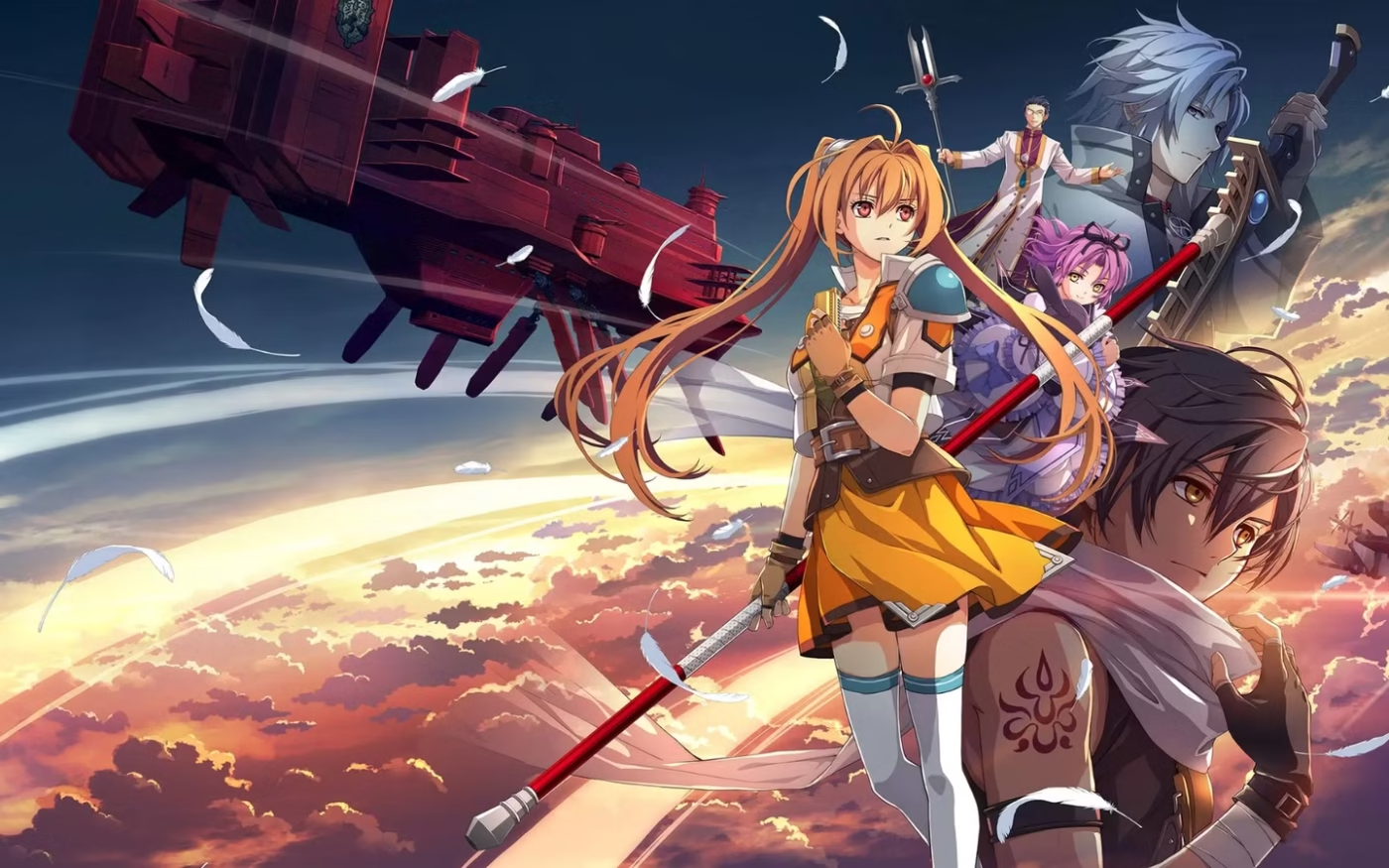
I’ve played a lot of incredible JRPGs over the years, but few series have managed to capture my imagination quite like Trails. There’s something special about the way these games build their worlds, develop their characters, and reward the time you invest in their stories. After finishing Trails in the Sky 2nd Chapter, I’m reminded once again why I’ve grown so attached to this franchise and this trilogy in particular.
Last year’s Trails in the Sky 1st Chapter was already one of my favorite games. I’ve played the original Sky trilogy somewhat recently so I knew what I was getting into. I loved the characters, I loved exploring Liberl, I loved the combat, and by the time I got to the end of that game, I was completely invested in this story.
Trails in the Sky 1st Chapter took me on that ride all over again and now that I’ve finished Trails in the Sky 2nd Chapter, I’m reminded of just how impressive this trilogy is.
Thankfully, Trails in the Sky 2nd Chapter takes everything that made its predecessor so compelling and builds upon it with a story that I genuinely believe ranks among the greatest stories ever told (yea I said it…).
After spending dozens of hours with this adventure, I have remarkably few complaints. In fact, this is about as close to my ideal JRPG as I could reasonably ask for. And because so much of what makes this game exceptional comes from its storytelling, I’ll be keeping this review as spoiler-free as possible.
A Sequel That Makes Every Moment Count
Developed by Nihon Falcom, Trails in the Sky 2nd Chapter is a remake of the second entry in the beloved Trails in the Sky trilogy, continuing the adventures of Estelle Bright in the Kingdom of Liberl. Picking up almost immediately after the events of 1st Chapter, it combines turn-based combat, real-time field encounters, extensive exploration, and the character-driven storytelling that has become synonymous with the Trails franchise.
It’s also a game I wouldn’t recommend playing without experiencing its predecessor first.
That might sound like an obvious statement about a direct sequel, but the distinction is particularly important here. Trails in the Sky tells an interconnected story across multiple games, and 2nd Chapter relies heavily on the relationships, mysteries, and emotional investment established throughout the first adventure.
Personally, I love this approach.
One of my favorite things about Trails is its willingness to take its time. These games spend dozens of hours introducing characters, developing relationships, and establishing seemingly insignificant details that eventually become essential pieces of a much larger narrative.
Admittedly, that patience can occasionally test my own. But when Falcom begins pulling those threads together, there are very few JRPG developers capable of delivering the same emotional payoff.
And that’s precisely what makes Trails in the Sky 2nd Chapter so remarkable.
Liberl is no longer just this interesting kingdom I’m exploring for the first time. Its towns are familiar, its people have become important to me, and the relationships I’ve watched develop now carry an entirely different emotional weight.
Some of the Best Storytelling in Trails
I don’t make this claim lightly, especially considering how many Trails games I adore, but 2nd Chapter might feature my favorite story in the entire series. I’ll need a little more time to decide whether I’m comfortable definitively giving it that distinction, but it’s absolutely in the conversation.
What impressed me most wasn’t necessarily the scale of the narrative or the frequency of its surprises. It was how consistently the story made me care about what was happening.
The first game spends an enormous amount of time establishing its characters and their relationships. instead of abandoning that foundation in favor of an entirely new adventure, Trails in the Sky 2nd Chapter uses it to give nearly every significant development greater emotional impact.
Characters I’ve grown attached to reveal new sides of themselves and moments that would have been impossible to appreciate without the first game become some of the most memorable sequences in the entire series for me.
Estelle Bright is at the heart of all of this.
I’ve always considered Estelle one of the strongest protagonists in the franchise. She’s energetic, stubborn, occasionally ridiculous, and wonderfully sincere. There’s an authenticity to her personality that makes her incredibly easy to root for, even when she’s making mistakes.
But 2nd Chapter gives her an opportunity to grow in ways that the first game simply couldn’t.
Without revealing anything about the circumstances surrounding that development, I found her journey to be one of the most compelling aspects of the entire story. Watching her confront new challenges while remaining fundamentally the character I’ve come to love was genuinely rewarding.
There’s one word I kept coming back to as I played through this game: earned
The emotional moments feel earned. The relationships feel earned. Even the biggest narrative developments feel like natural consequences of a story that’s been carefully constructed over two substantial RPGs.
I can’t remember the last time I finished a game and had so many moments I desperately wanted to discuss.
A Cast That’s Almost Impossible Not to Love
Of course, even the strongest narrative would struggle without characters capable of carrying it, and Trails in the Sky 2nd Chapter has an absolutely fantastic ensemble.
Returning party members benefit tremendously from the relationships established in the first game. I was so glad they didn’t have to re-introduce everyone again and because of that, the game can immediately begin exploring new dynamics and giving familiar faces additional opportunities to shine.
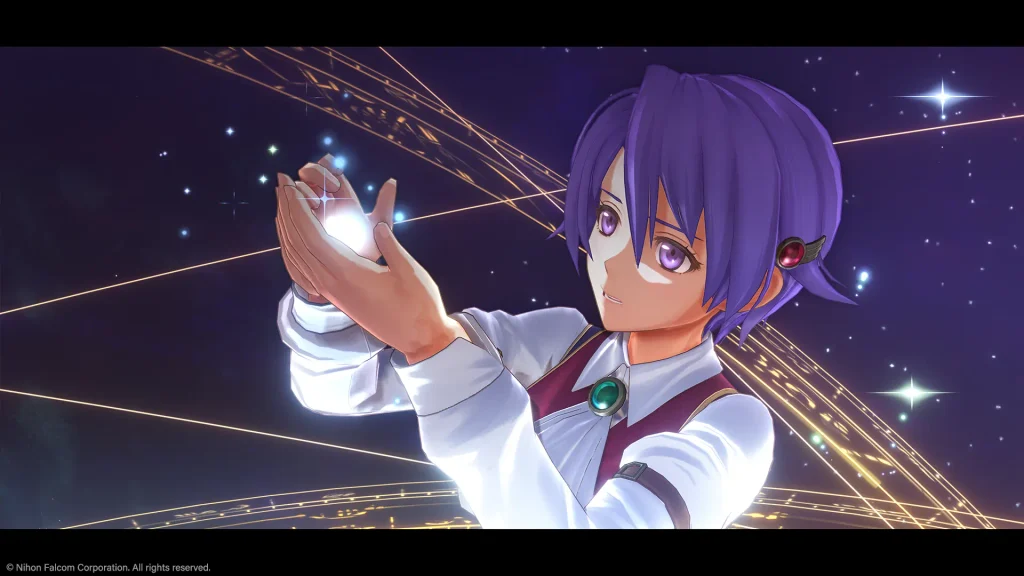
However, one of my favorite additions is Kevin Graham.
Kevin is a wandering priest from the Septian Church whose easygoing personality and natural charm make him an immediate standout. He’s funny without feeling obnoxious, charismatic without overshadowing the established cast, and somehow manages to fit into an ensemble that’s already overflowing with personality.
He’s also an incredibly enjoyable character to use in combat, which certainly didn’t hurt my opinion of him.
One thing I’ve always appreciated about Trails is how effectively it connects its characters’ identities to their usefulness in battle. Their different strengths encourage me to experiment with team compositions, often leading me to appreciate characters even more as I spend time using them.
Kevin quickly became one of my favorites in that regard.
And while I’m deliberately avoiding discussing his larger role in the story, I’ll simply say that my appreciation for him continued growing as the adventure progressed.
He’s a fantastic addition to an already exceptional cast.
If It Isn’t Broken, Don’t Fix It
Considering how much I enjoyed the combat in 1st Chapter, I was relieved to discover that Falcom hasn’t attempted to reinvent the system for its sequel.
And frankly, I don’t think it needed to.
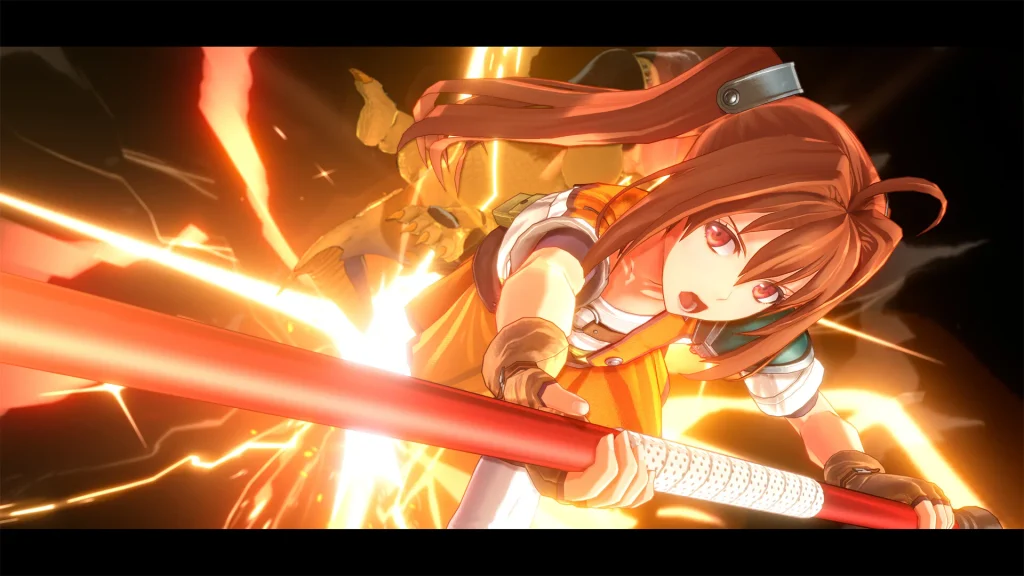
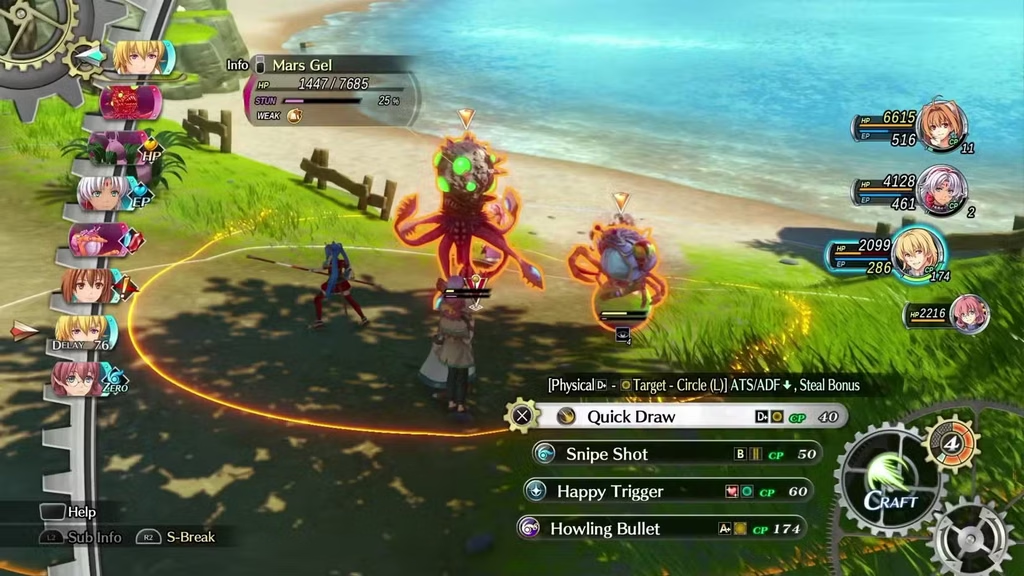
Trails in the Sky 2nd Chapter retains the excellent combination of real-time field attacks and traditional command-based battles that made the previous remake such a pleasure to play.
Weaker enemies can be handled through faster encounters, allowing exploration to maintain a satisfying pace without constantly interrupting the adventure. More substantial battles, meanwhile, encourage a deliberate approach built around positioning, turn order, Arts, Crafts, and understanding the strengths of individual party members.
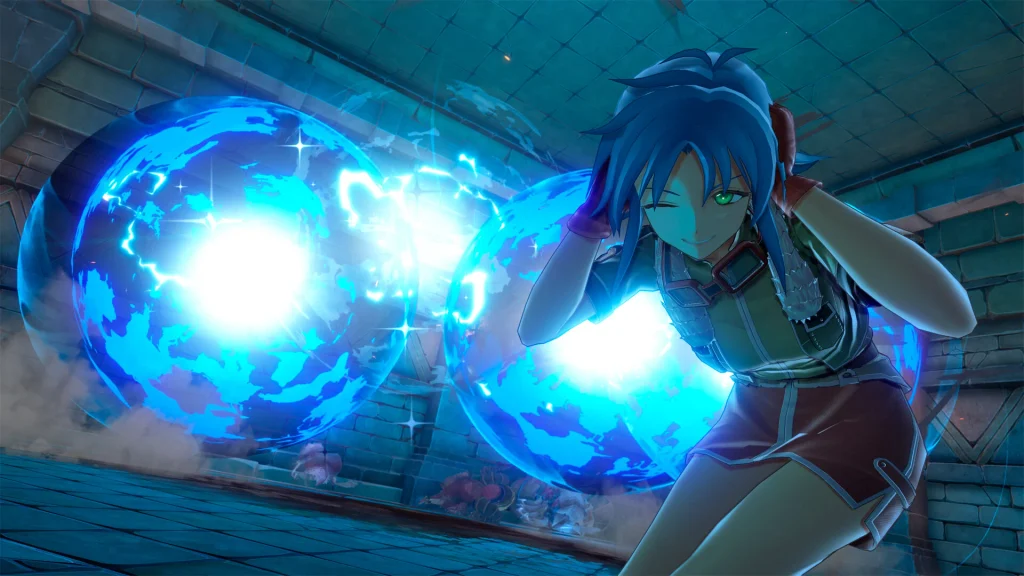
There are some welcome additions, including new Crafts and S-Crafts, alongside Brave Rush, which introduces another way to coordinate character attacks during Quick Battles.
But none of these additions fundamentally disrupt what already worked.
Instead, they provide more opportunities to experiment within a system I was already thoroughly enjoying.
I spent a considerable amount of time switching party members, exploring different combinations, and discovering new ways to approach encounters. Even after dozens of hours, combat remained consistently entertaining.
That’s particularly impressive considering how invested I was in the narrative.
I’ve played plenty of story-heavy JRPGs where combat eventually becomes little more than an obstacle standing between me and the next important cutscene. It’s an unfortunate consequence of games that excel at storytelling but struggle to keep their underlying mechanics equally compelling.
I never really encountered that problem here.
As excited as I was to see what happened next, I was just as happy spending time actually playing the game.
And for an RPG of this length, that’s an accomplishment worth celebrating.
A Wonderful Fit for Nintendo Switch 2
I played Trails in the Sky 2nd Chapter on Nintendo Switch 2, and I’m happy to report that my experience was overwhelmingly positive.
Liberl looks fantastic in this modernized presentation. The colorful environments retain the charm and personality I associate with the original games, while the updated character models bring the cast to life without sacrificing their recognizable designs.
The Switch 2 version also benefits from higher resolutions, improved textures, and enhanced frame rates compared to the original Switch release.
Throughout my time with the game, performance was generally solid, and I was consistently impressed by how clean everything looked.
Admittedly, Trails isn’t necessarily a franchise that needs to push the technical boundaries of modern hardware. Its strengths have always been rooted in storytelling, worldbuilding, and character development rather than graphical prowess.
But that doesn’t make a polished presentation any less appreciated.
I also think this series is particularly well suited to handheld gaming.
Given how much time these games ask of me, that flexibility makes a meaningful difference.
One Frustrating Presentation Problem
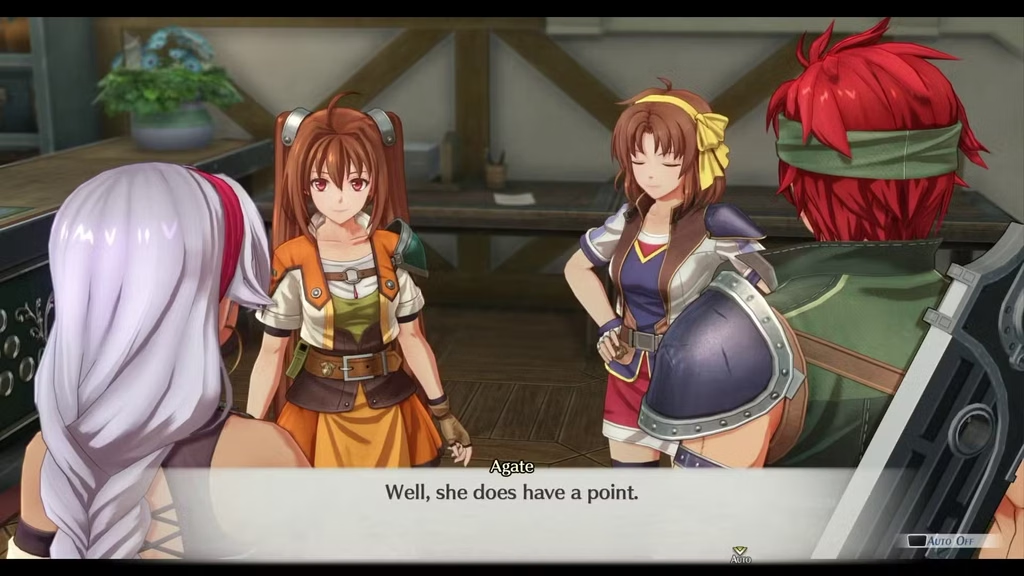
For all my praise, there is one aspect of 2nd Chapter that consistently bothered me: the inconsistent voice acting.
To be clear, my frustration has nothing to do with the quality of the performances themselves.
It’s how frequently the voices disappear.
There are conversations where characters begin speaking with full voice acting, only for the dialogue to suddenly become completely silent partway through the same exchange. Sometimes the voices return shortly afterward, creating an awkward inconsistency that I found surprisingly distracting.
I don’t believe every JRPG needs to be fully voiced. Some of my favorite games have little to no voice acting, and I’ve never considered that an inherent weakness.
But there’s a meaningful difference between establishing that certain scenes will be voiced and having the presentation change unpredictably during individual conversations. Once I’m listening to these characters speak, I naturally settle into that rhythm. When the voices suddenly stop, it immediately draws my attention away from what’s happening. And in a game where the emotional investment is this significant, that’s especially unfortunate.
It never came close to ruining the experience, but I sincerely wish Falcom had either committed to more extensive voice acting or found a less disruptive way to transition between voiced and unvoiced dialogue. When practically every other aspect of the presentation works this well, the inconsistency becomes difficult to ignore.
A Remarkable Payoff Worth Experiencing
What makes reviewing Trails in the Sky 2nd Chapter so interesting is that most of my criticisms feel relatively insignificant compared to everything the game accomplishes.
The storytelling is exceptional, the characters are among my favorites in the genre, and the combat remains engaging from beginning to end. More importantly, this remake understands exactly what made Trails in the Sky special in the first place.
Trails in the Sky 1st Chapter laid the foundation for that connection, and 2nd Chapter delivers the payoff in spectacular fashion.
I cared about Estelle. I cared about the people of Liberl. I cared about the mysteries surrounding these characters and the consequences of everything unfolding around them. By the time the adventure reached its conclusion, I was reminded why I fell in love with this series initially.
There are moments I still find myself thinking about, conversations I’d love to dissect, and narrative developments I’m eager to discuss once more people have experienced them.
I genuinely believe Trails in the Sky 2nd Chapter belongs among the finest entries in the franchise, and it might just feature the best story Falcom has ever told.
If there’s one piece of advice I can offer, it’s to experience 1st Chapter before jumping into this one. Don’t rush through a summary or treat the first game as homework standing between you and the sequel. That initial journey is an essential part of what makes everything here so extraordinary.
Because when Trails in the Sky 2nd Chapter finally begins paying off all that time and emotional investment, the result is nothing short of exceptional.
Legendary
out of 10
The verdict
Trails in the Sky 2nd Chapter is everything I could have hoped for from a sequel and one of the finest JRPG experiences I've had in years. Its exceptional storytelling, unforgettable characters, and endlessly enjoyable combat come together to deliver a remarkable payoff to everything established in 1st Chapter.
- Platforms
- Nintendo Switch 2
- Developer
- Nihon Falcom
- Publisher
- GungHo
- Released
- Sep 17, 2026


10 comments
A 10 is a high praise. I’m really looking forward to diving in. OG 2nd was peak so I’m expecting the remake to be even better. Once Fortune’s Weave releases its grip on me, I’ll find out for myself lol
Can’t wait to dive in as well.
This is my game of the year and absolutely worth the 10 score!
I just finished it tonight. It definitely hits just as hard as the original, if not more so, thanks to the updated graphics, animations and combat improvements. I also like the few new sidequests, which flesh some things out, and generally feel like a natural part of the game, and not something they randomly tacked on, just like in 1st Chapter.
Sadly, the inconsistent voice acting is something that’s been an issue since the Cold Steel games, and it’s only gotten worse over time. The Calvard games are absolutely brutal for that, LOL I definitely think they’d be better off making some scenes entirely unvoiced, and saving the voice acting for specific scenes, but making them fully voiced, so it isn’t so immersion breaking.
Yeah I agree, I love the voice acting and it adds so much.
But it’s so jarring when then first two lines of a scene start voiced and abruptly end. Like I have the auto scroll feature in with 4x speed. I’m gonna miss dialogue Falcom!
Just in time for the arrival of my physical pre-order. Can’t wait to dive in.
Going to be such an amazing game.
Haven’t even finished this game yet and am about halfway through and I already agree with this 10/10 score, this game is something everyone should play and talk about for years to come! Nihon FalGOAT as we could say
Bought it tonight! Will see if it or FF Reaonance wins out
Will be hard. Both are looking amazing!